


The Most Meaningful Stories Begin With Wonder
A children's book illustrator, art director and storyteller from Lucknow. Through whimsical, nature-inspired worlds, Mansi creates visual narratives that invite children to look closer, ask questions and stay curious. In this conversation, she reflects on finding her way into children's publishing, the role of storytelling in design, perfectionism, AI and why children remain her greatest source of inspiration.
How would you describe your work?
‘As a children's book illustrator, art director and storyteller I get to create whimsical, nature-centric worlds, characters and experiences that help people, primarily children, connect with stories in meaningful ways.As a child, I saw painting as a way of making sense of the world. Today, illustrations are that bridge between imagination and understanding. What excites me most about my work is the possibility that something I create might spark curiosity, comfort or wonder in someone else's mind.’

How did you find your way into children's book illustration?
‘Since my school days, I have been creating paintings that filled entire pages and spending hours art journaling. Looking back, that naturally translated into the books I create today.
I discovered children's publishing during my time at NIFT. I became fascinated by the work publishers were putting out and started reaching out to them constantly. I wanted to understand where I fit within the world of design and storytelling. I created my first picture book as my graduation project with Tulika Publishers in 2022, and that's where the journey began.
I always tell aspiring illustrators that it's important to identify the publishers or clients whose work resonates with you, create sample pieces, and keep reaching out. It's all about curiosity and persistence.’


What role does storytelling play in design?
‘Storytelling is the heart of good design. People often think design is about making things look appealing, but great design is really about communication.
Storytelling gives design emotional depth. A beautiful illustration might catch someone's attention, but a meaningful one is what keeps them engaged.
I once worked on a picture book that involved illustrating hundreds of ants, each with a different expression. Later, the author told me that children were noticing individual ants and responding to those tiny details. Moments like that remind me how deeply children engage with stories. Every project eventually brings me back to the same question: what will this child feel, discover or remember from this experience.’
As someone working between illustration and art direction, do you think more like a storyteller or a visual problem solver?
'Both. The storyteller in me is always thinking about the emotional experience and what a child might learn from a particular thread in the book. The art director in me is thinking about the technical aspects: clarity, hierarchy and how information is communicated. Illustration asks me to think about character, pacing and narrative. Art direction asks me to think about structure and decision-making. The balance between the two is what makes the process exciting.’
Has a project ever stayed with you long after it was finished?

'A lot of them do. Children's books become a part of your life because you're immersed in them for months at a time. You're constantly thinking about the characters, the environment, the colours and the world you're building.
When I revisit a published book later, I often experience a sense of déjà vu. It's almost as if I'm transported back to when I was illustrating it. One project that particularly stayed with me was a series of pre-numeracy books developed for children in Uttar Pradesh and Jharkhand. It involved understanding local cultures, communities and environments. We travelled, gathered references and spent time observing the places where these stories would be rooted.
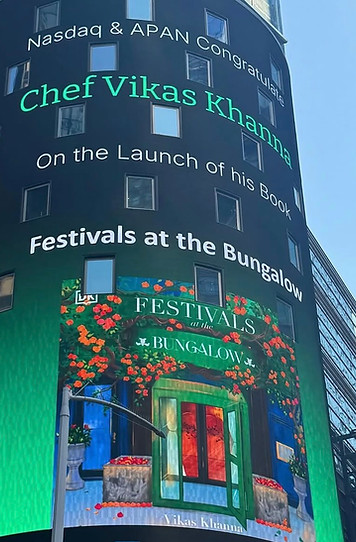
Another project that stayed with me was illustrating Festivals at the Bungalow by Chef Vikas Khanna published by Dorling Kindersley India. Indian culture, festivals and food have always carried stories across generations, and bringing those stories to life visually felt incredibly special. My goal was to represent them with warmth, authenticity and a sense of wonder that people could instantly connect with.
Looking at those books today, I'm reminded of all the conversations, discoveries and research that went into them. Research has always been an important part of my process, and that project reinforced how valuable it can be.'
What advice would you give illustrators who want to create work that feels timeless rather than trend-driven?
‘Spend more time observing life than observing trends.
Most of my work comes from things I'm genuinely curious about. Nature, travel, people, places and sometimes even the things I wish five-year-old Mansi had known about the world. Trends can teach you about visual language, but emotions are what make work endure. Curiosity, friendship, belonging and wonder remain relevant across generations. The more authentic your work feels, the more likely it is to resonate with people.’
What keeps you curious enough to continue creating worlds for others?
‘Nature, without question. Birds, conversations with children, folktales, travel experiences. Inspiration is everywhere. Children especially remind me to stay curious. They ask questions adults stopped asking years ago. They see possibilities where adults often see limitations. As long as there are stories waiting to be told, I think there will always be more worlds worth creating.’

Children's books often shape how young readers see the world. Do you consciously challenge familiar ways of seeing?
'I love this question. There are always certain assumptions about how things should look. The sky should be blue. Water should be blue. But children are incredibly imaginative and open to possibility.
Of course, visual decisions depend on the story. Sometimes authenticity is important because you're representing a real place, culture or environment. But whenever possible, I like to introduce unexpected details and leave room for discovery. I also make it a point to add things beyond what's written in the brief. Small visual moments that children may not notice the first time they read a book, but might discover years later when they revisit it.
Representation is important too. We try to create books where children from different backgrounds and experiences can see themselves reflected. Stories become richer when more people can find a place within them.'
What are your thoughts on perfectionism?
Earlier in my career, I used to think everything had to be technically perfect. I would look at other people's work and feel that perfection was the goal. Over time, I've realised that people connect with honesty far more than perfection. I actually enjoy leaving certain things unresolved. Small imperfections make work feel more human. Especially when creating for children, I don't think perfection should be the end goal. The joy of creating something is much more important.'
What are your thoughts on AI as a designer?
'I see AI as a tool, not a replacement for creativity. It's incredibly useful for research, efficiency and handling repetitive tasks. But creativity comes from observation, lived experiences, intention and curiosity. Those things are deeply human. As designers and illustrators, our value isn't simply producing images. It's making meaningful decisions. I use AI to make certain parts of my workflow faster so that I can spend more time on the parts of the process that require imagination.'
What does success mean to you?
'Creating meaningful work while remaining curious and fulfilled in the process.
It's knowing that the stories I help bring into the world have connected with people, especially children. It's having the freedom to choose projects that align with my values while continuing to learn and grow. A large part of my work is rooted in helping children feel connected to the natural world. If one of my illustrations inspires a child to notice a bird they had never paid attention to before, or a tree they had walked past every day without noticing, I would consider that a success.
If I can help create even a small sense of wonder, I feel incredibly fortunate to be doing this work.'
